
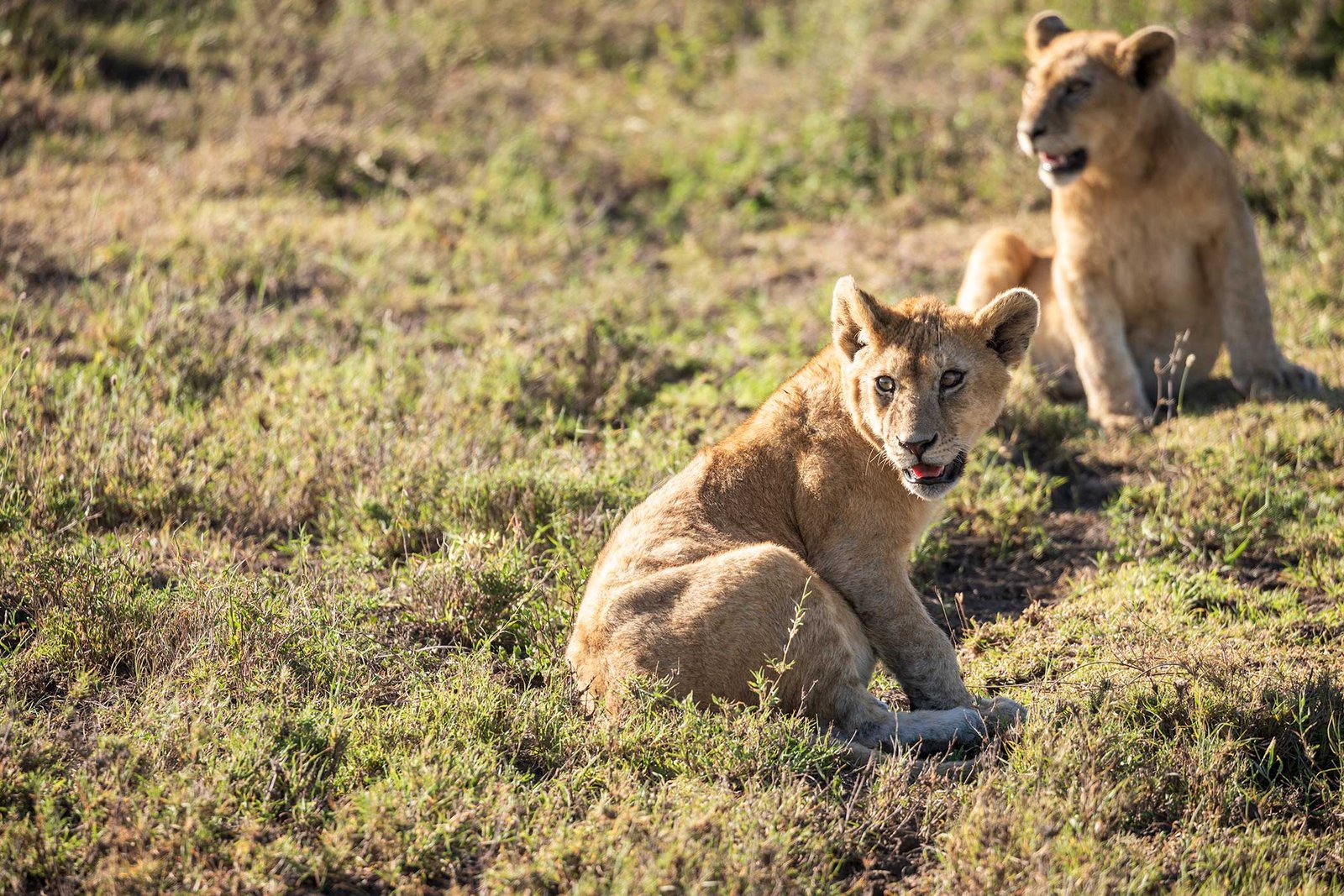
Walking safaris offer a unique and immersive way to explore Tanzania’s natural landscapes. Unlike traditional game drives, a walking safari allows travelers to move quietly through the bush on foot while observing the smaller details that are often missed from a vehicle. With the guidance of experienced professionals, visitors learn to identify animal tracks, birdlife, plants, and the subtle signs that reveal how wildlife interacts with its environment.
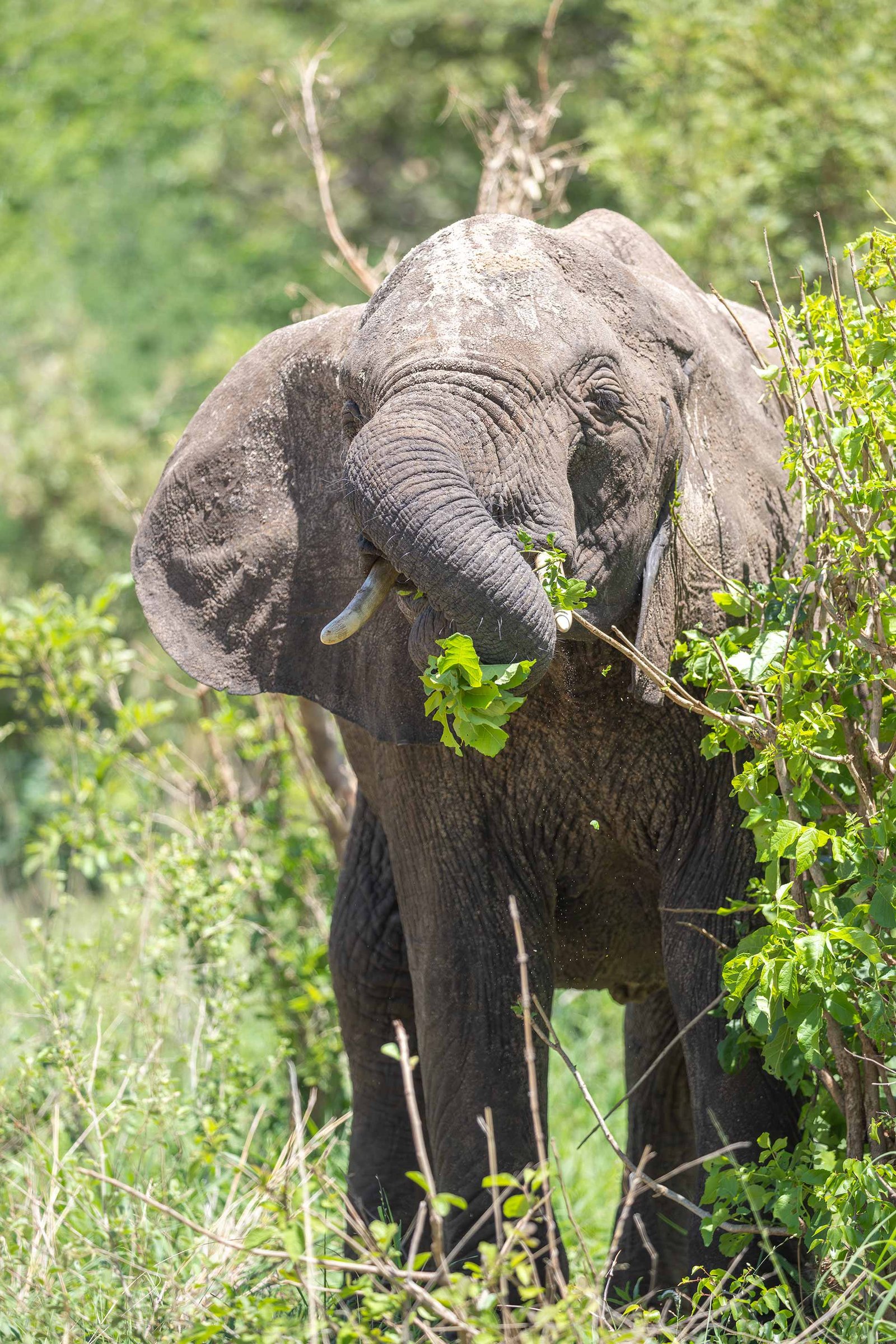
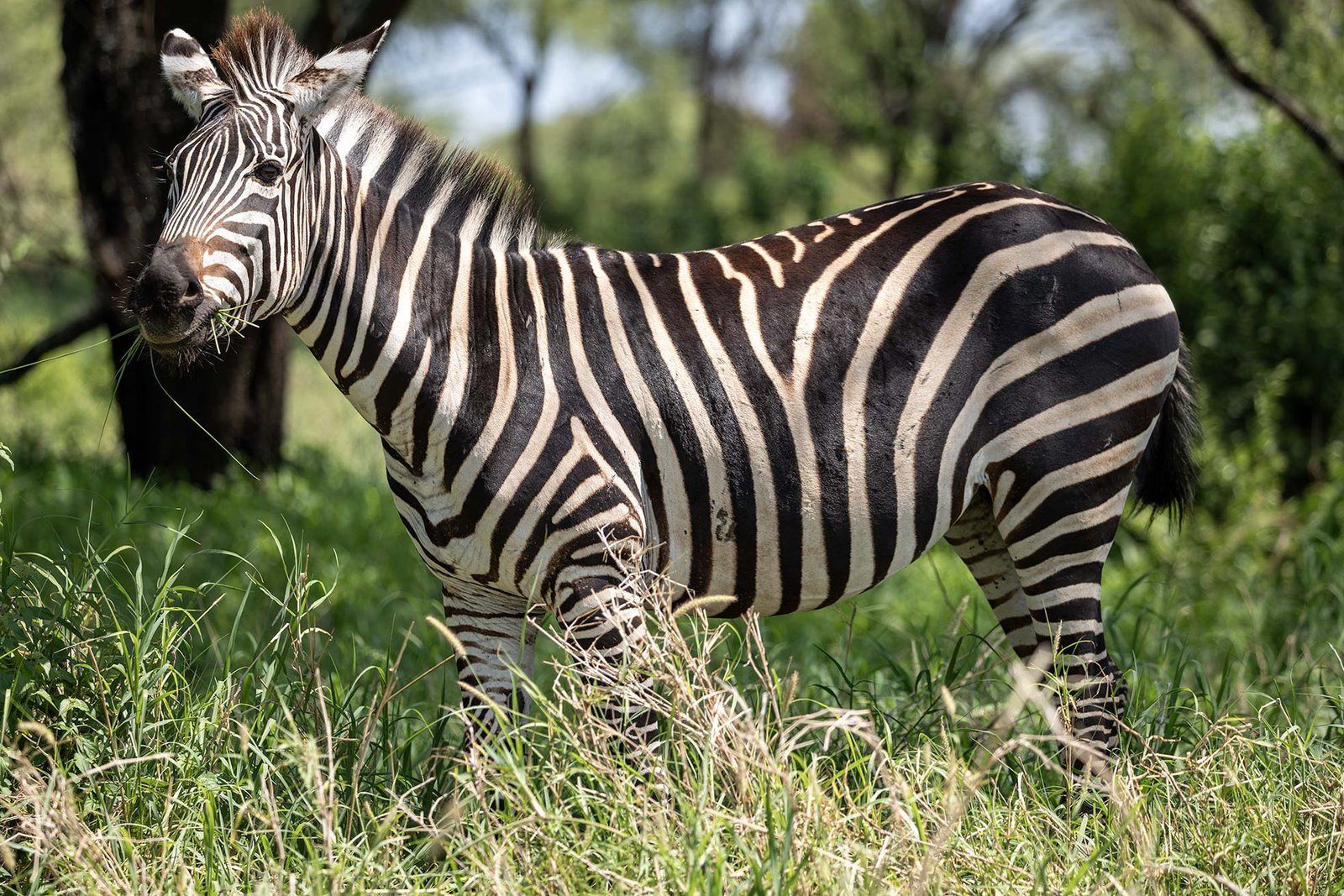
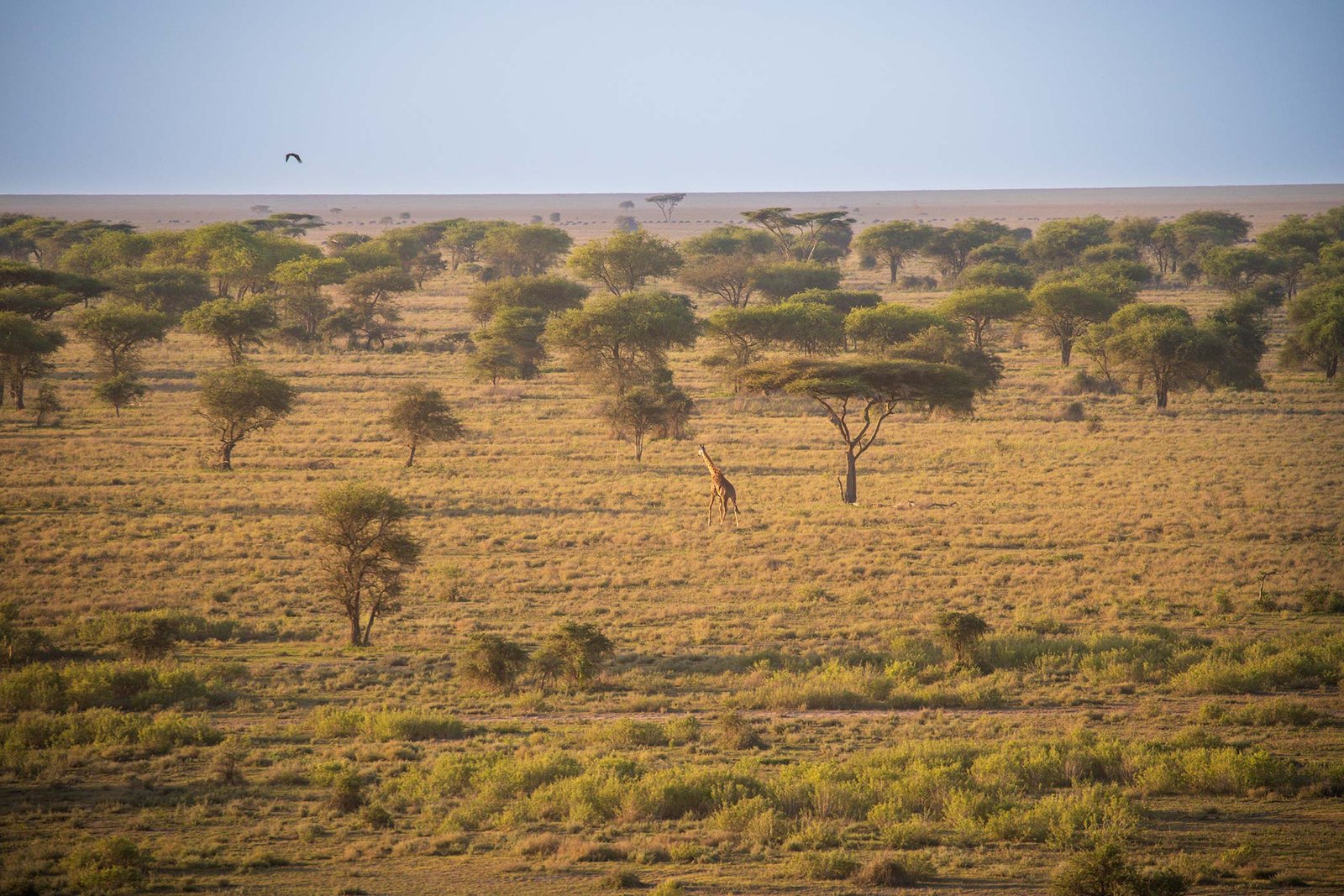
Walking safaris are carefully planned and conducted only in designated areas of national parks and conservation areas. For safety, each walk is led by trained professional guides and is usually accompanied by an armed national park ranger. These safaris focus on environmental awareness and understanding the ecosystem rather than approaching large wildlife closely.
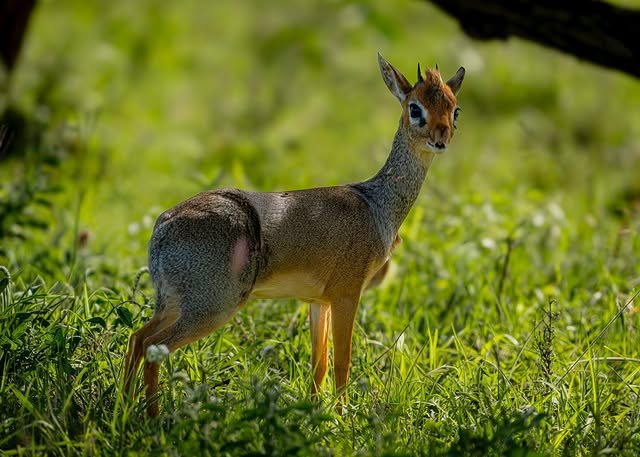
Short walking safaris typically take place near safari camps or within specific park areas. These walks usually last a few hours and provide an excellent introduction to exploring the bush on foot while learning about tracks, insects, plants, and smaller wildlife.
In certain remote regions of Tanzania, multi-day walking safaris are available for adventurous travelers. These experiences allow guests to travel deeper into wilderness areas while accompanied by professional guides, rangers, and support teams. Multi-day walks often include lightweight camps that move with the group, allowing participants to explore areas far from regular vehicle routes.
The best time for a walking safari ultimately depends on the location, park regulations, and the type of experience travelers are looking for. Short guided bush walks are available in some areas year-round, while longer walking safaris are typically offered in specific seasons and regions. Planning with experienced guides helps ensure the best conditions for both safety and enjoyment.
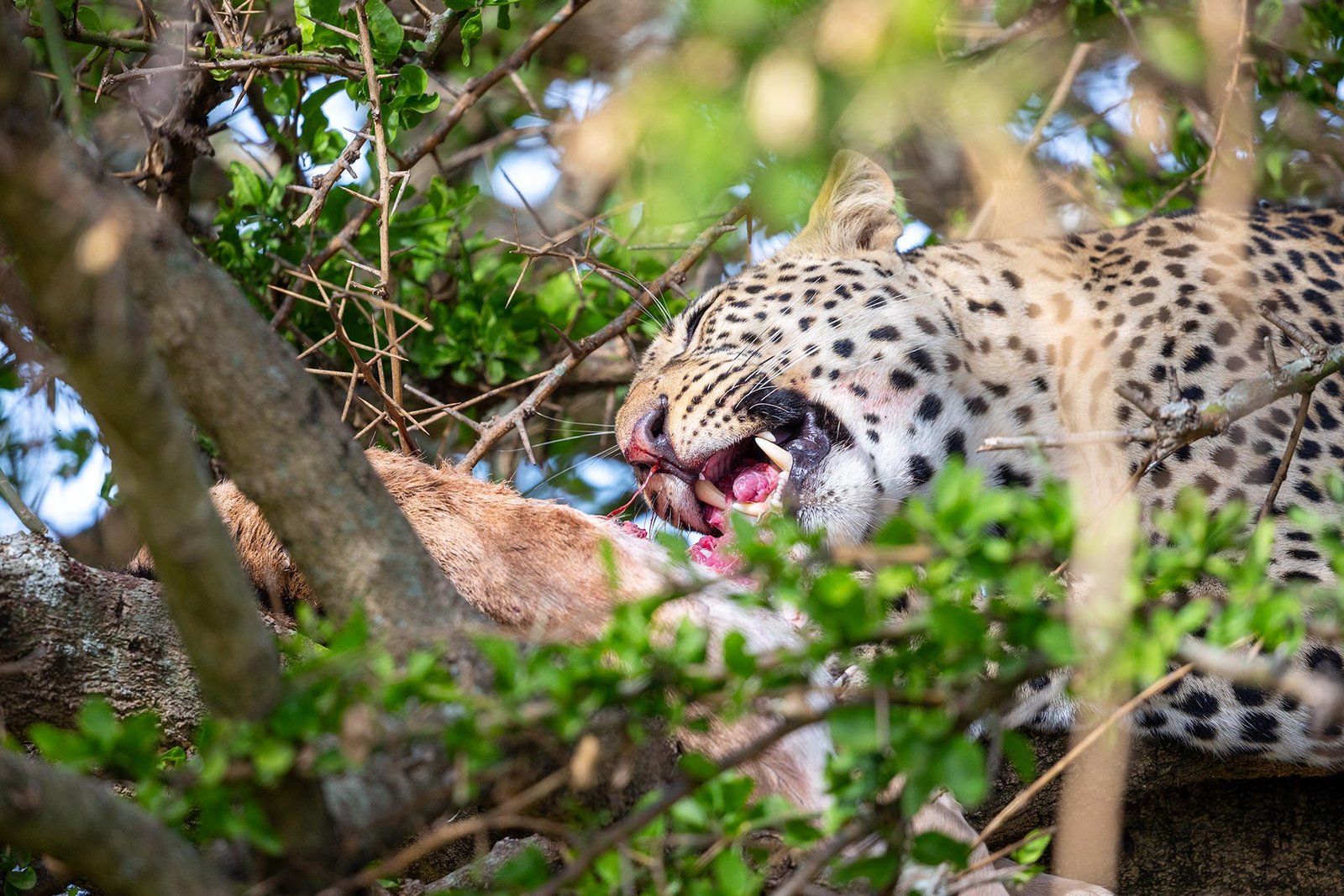
Walking safaris in Tanzania are carefully regulated and conducted under strict safety guidelines. All walks take place in designated areas and are led by highly trained professional guides who understand wildlife behavior and the surrounding environment. In most national parks and conservation areas, an armed park ranger accompanies every walking safari. Guides are trained to interpret animal movements, wind direction, and terrain to ensure that guests remain at a safe distance from wildlife. Before the walk begins, guides provide a safety briefing explaining how to move quietly, maintain awareness of the surroundings, and follow simple instructions while in the bush. When conducted with experienced guides and proper planning, walking safaris are considered a safe and rewarding way to experience Tanzania’s wilderness. Walking safaris are designed to prioritize awareness, respect for wildlife, and guest safety at all times.
Walking safaris are offered in selected locations across Tanzania where park regulations allow guided walks. Popular areas include parts of:
Walking safaris can be enjoyed in several regions of Tanzania throughout the year, but the experience can vary depending on the season, vegetation, and wildlife movement.
The dry season is often considered one of the best times for walking safaris. Vegetation is thinner, making it easier to observe wildlife and follow animal tracks. Animals also tend to gather near water sources, increasing the chances of sightings while walking. The cooler mornings during this period also make longer walks more comfortable.
The green season offers a different but equally rewarding experience for walking safaris. Landscapes are lush and vibrant, and birdlife is especially abundant during this time. Although wildlife may be more dispersed due to the availability of water, walking safaris during the green season allow visitors to appreciate the ecosystem, plant life, and smaller species that thrive during this period.
Find answers to common questions about our tours and travel services.
Our safari packages include transport, accommodation, park fees, professional guides, and meals as specified in the itinerary.
The best time is during the dry seasons from June to October and January to March for wildlife viewing and trekking.
Yes, we tailor tours based on your interests, travel dates, and budget to create personalized experiences.
Our trained mountain guides follow strict safety procedures and help climbers acclimatize properly.