
Walking Safaris in Tanzania: Experience the Wilderness on Foot

A Different Way to Experience the African Wilderness

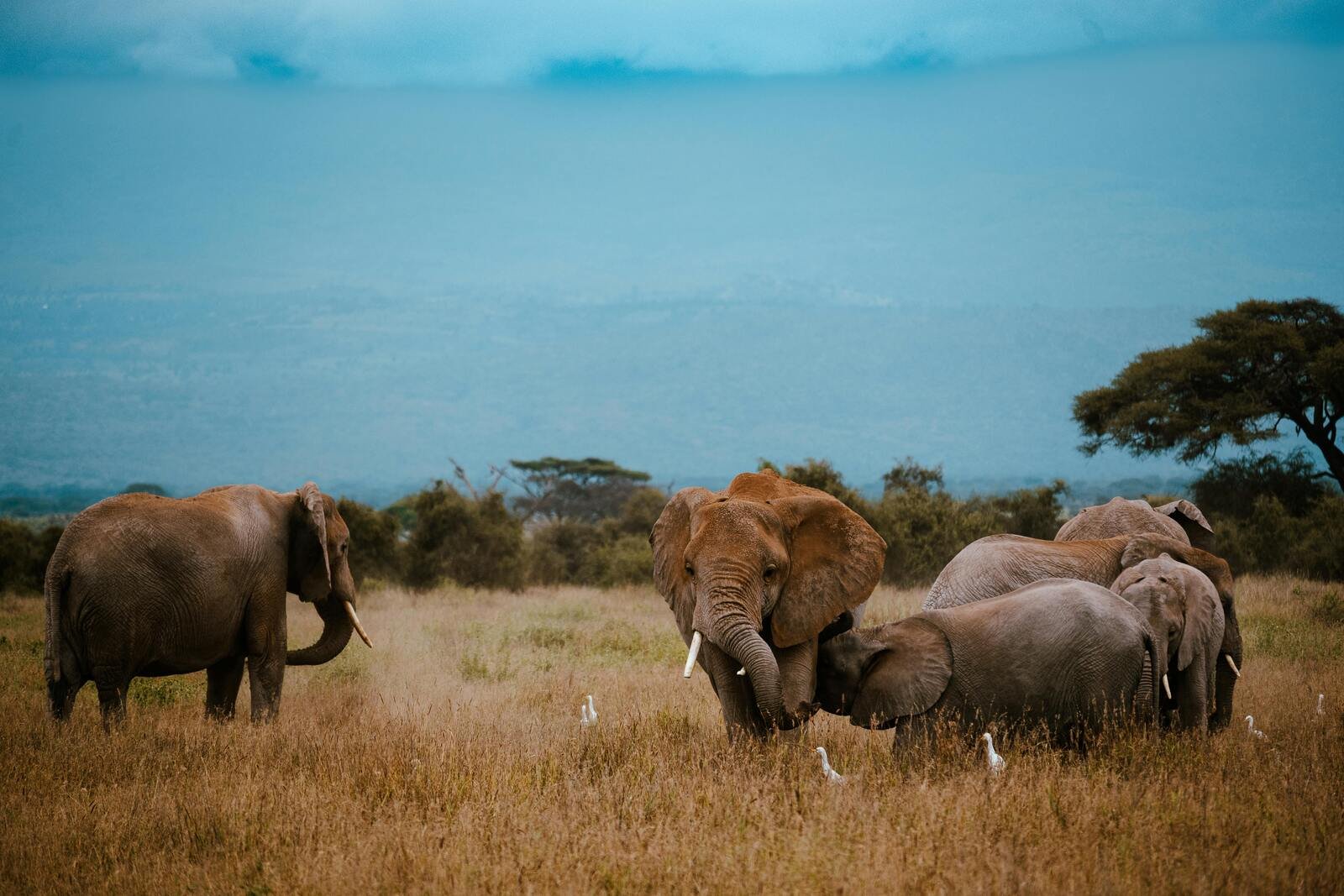
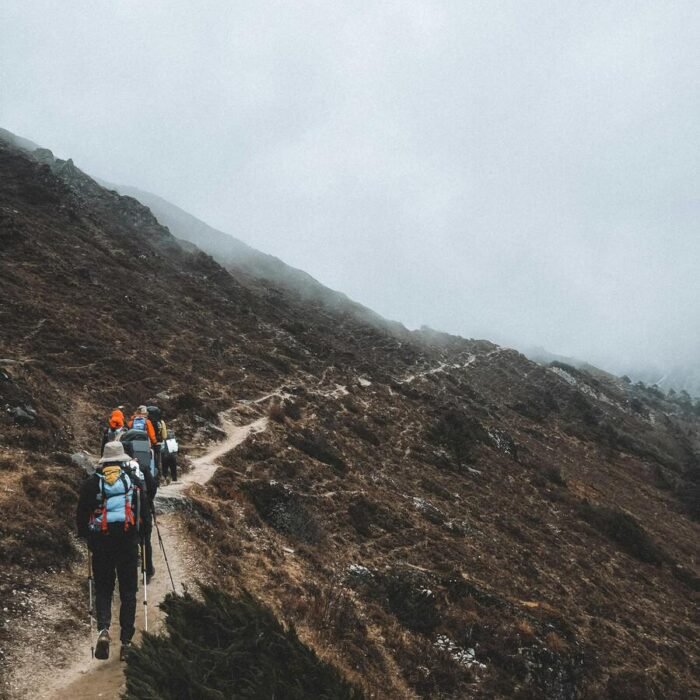
Walking safaris offer a unique and immersive way to explore Tanzania’s natural landscapes. Unlike traditional game drives, a walking safari allows travelers to move quietly through the bush, uncovering tracks, birds, insects and plants that often go unnoticed.

With experienced local guides, you’ll learn to read the land, understand wildlife interactions, and experience the sights, sounds and atmosphere of Africa’s untamed wilderness.


Who This Expedition Is For

This expedition is designed for travelers who crave a truly immersive wilderness experience on foot, blending walking, wildlife encounters, and authentic cultural interactions. It is ideal for those who are comfortable with multi-day journeys into remote landscapes and who value the knowledge, insight, and safety provided by expert local guides.


Participants will experience Tanzania in a way few ever do — intimately, quietly, and deeply connected to the land, its people and its wildlife.

Difficulty & Fitness Requirement

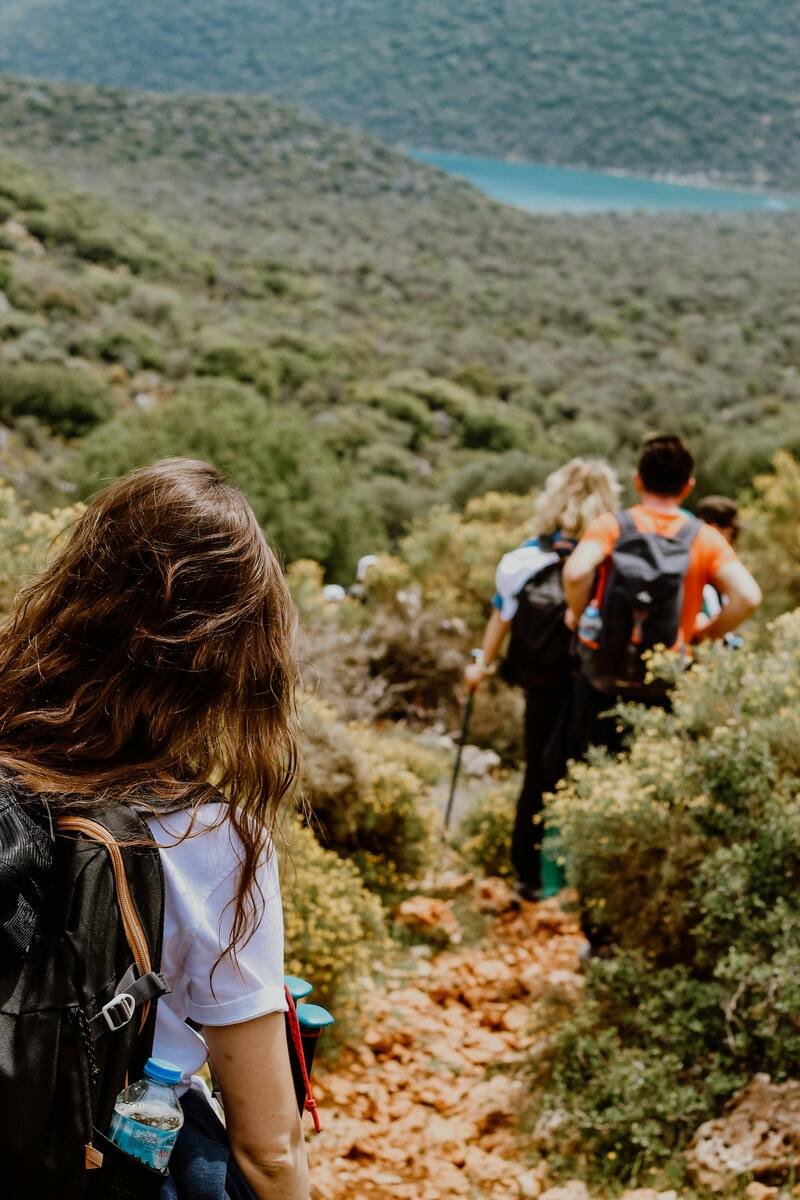
Walking safaris on this expedition range from gentle guided walks near camp to strenuous multi-day treks through rugged highlands and volcanic terrain. Guests should be physically fit and prepared for long walks over uneven ground, early starts, and highland conditions.

Summit climbs such as Ol Doinyo Lengai require good fitness and Prior  trekking experience.

How Walking Safaris Work

Walking safaris are carefully planned and conducted only in designated areas of national parks and conservation areas. For safety, each walk is led by trained local professional guides and is usually accompanied by an armed national park ranger.

These safaris focus on environmental awareness and understanding the ecosystem rather than approaching large wildlife closely.

Participants will experience Tanzania in a way few ever do — intimately, quietly, and deeply connected to the land, its people and its wildlife.
Types of Walking Safaris in Tanzania

Short Guided Bush Walks

Short walking safaris typically take place near safari camps or within specific park areas. These walks usually last a few hours and provide an excellent introduction to exploring the bush on foot while learning about tracks, insects, plants, and smaller wildlife.

Multi-Day Walking Safaris

In certain remote regions of Tanzania, multi-day walking safaris are available for adventurous travelers. These experiences allow guests to travel deeper into wilderness areas while accompanied by professional guides, rangers, and support teams.

        Why Travelers Choose Walking Safaris

Discover the hidden details of the bush

Tracks, insects, birds, and plant life become part of the experience, helping travelers understand the ecosystem in a deeper way.

A quieter safari experience

Walking safaris often take place away from busy game drive routes, offering a more peaceful and intimate encounter with nature.

Closer connection to nature

Walking through the landscape allows visitors to experience the sights, sounds, and atmosphere of the African wilderness more directly.

Where Walking Safaris Are Available ​

Walking safaris are offered in selected locations across Tanzania where park regulations allow guided walks. Popular areas include parts of:

Serengeti Ecosystem

Tarangire Region

Ngorongoro Conservation Area

Arusha National Park

Is a Walking Safari Safe?

Walking safaris in Tanzania are carefully regulated and conducted under strict safety guidelines. All walks take place in designated areas and are led by highly trained professional guides who understand wildlife behavior and the surrounding environment.

In most national parks and conservation areas, an armed park ranger accompanies every walking safari. Guides are trained to interpret animal movements, wind direction, and terrain to ensure that guests remain at a safe distance from wildlife.

Before the walk begins, guides provide a safety briefing explaining how to move quietly, maintain awareness of the surroundings, and follow simple instructions while in the bush.

When conducted with experienced guides and proper planning, walking safaris are considered a safe and rewarding way to experience Tanzania’s wilderness.

Walking safaris are designed to prioritize awareness, respect for wildlife, and guest safety at all times.

Best Time of Year for Walking Safaris in Tanzania

Dry Season (June – October)

Best for wildlife visibility and tracking due to thinner vegetation and concentrated water sources. Cooler mornings make longer walks more comfortable.

Green Season (November – May)

Lush landscapes, excellent birdlife, and fewer crowds. Ideal for appreciating ecosystems, though wildlife is more dispersed

Choosing the Right Time

The best time depends on location, regulations, and the type of experience desired. Planning with experienced guides ensures optimal conditions

Frequently Asked Questions

Walking safaris are carefully managed to maintain a safe distance from wildlife. Experienced guides read the environment, tracks, and wind direction to avoid close encounters with large animals. The focus of a walking safari is learning about the ecosystem rather than approaching wildlife.

Short walking safaris usually last between 1 and 3 hours, often taking place in the early morning or late afternoon when temperatures are cooler. Multi-day walking safaris involve longer distances and are designed for travelers seeking a more adventurous wilderness experience.

Most short walking safaris are gentle walks at a relaxed pace and do not require high fitness levels. However, longer expedition-style walking safaris may require a reasonable level of fitness since participants may walk several kilometers per day.

Lightweight and comfortable clothing in neutral colors such as khaki, green, or beige is recommended. Closed walking shoes or light hiking boots are important, along with a hat, sunscreen, and a reusable water bottle.

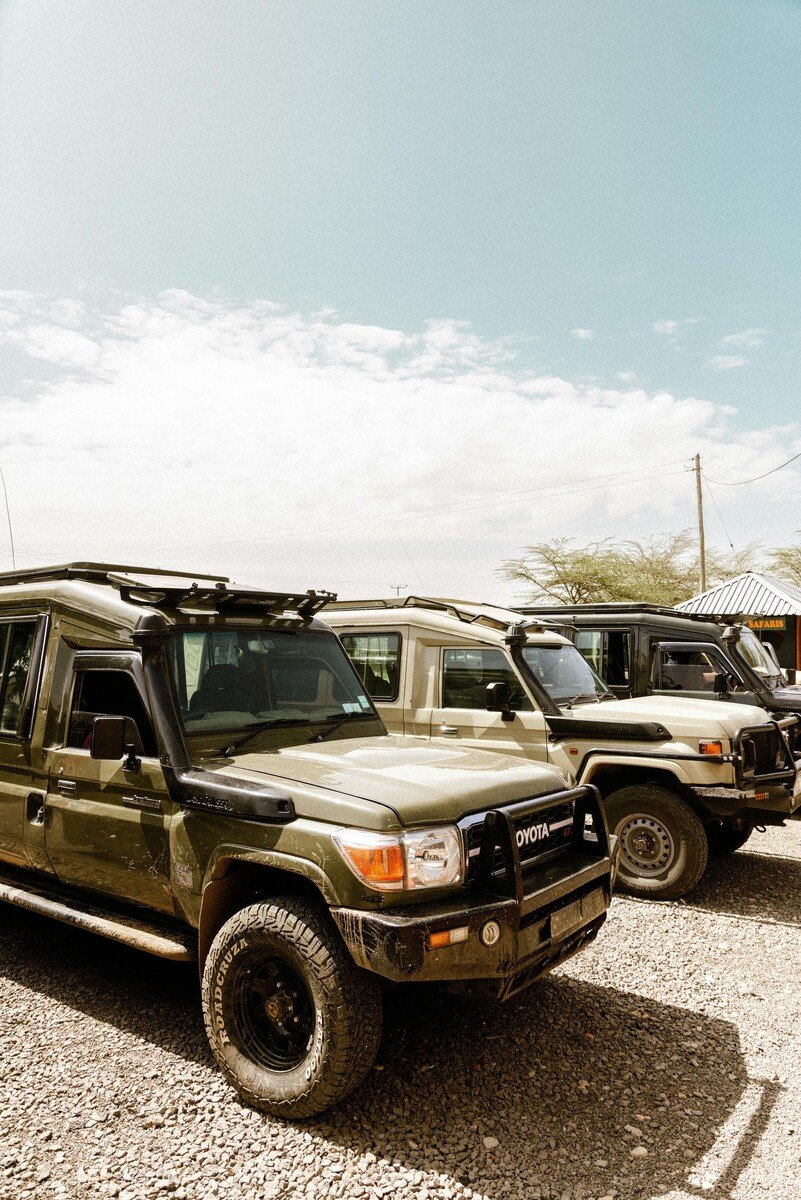
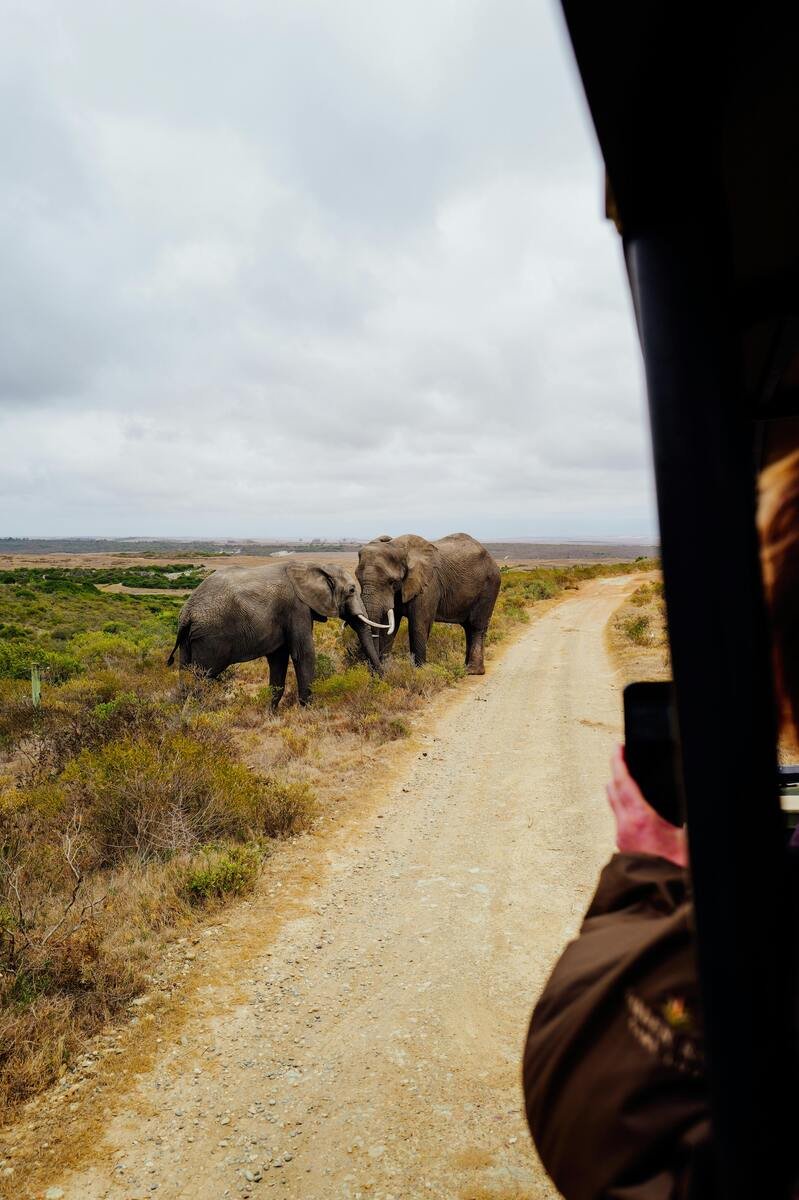
Yes. Walking safaris are often included as part of a broader safari itinerary, complementing traditional game drives. Combining both experiences allows travelers to see wildlife from a vehicle while also exploring the smaller details of the bush on foot.

Some walks are suitable for families with older children, depending on park regulations and the experience level of participants. Age restrictions may apply in certain areas to ensure safety.

This is a title