
Walking Safaris in Tanzania: Everything You Need to Know Before You Go

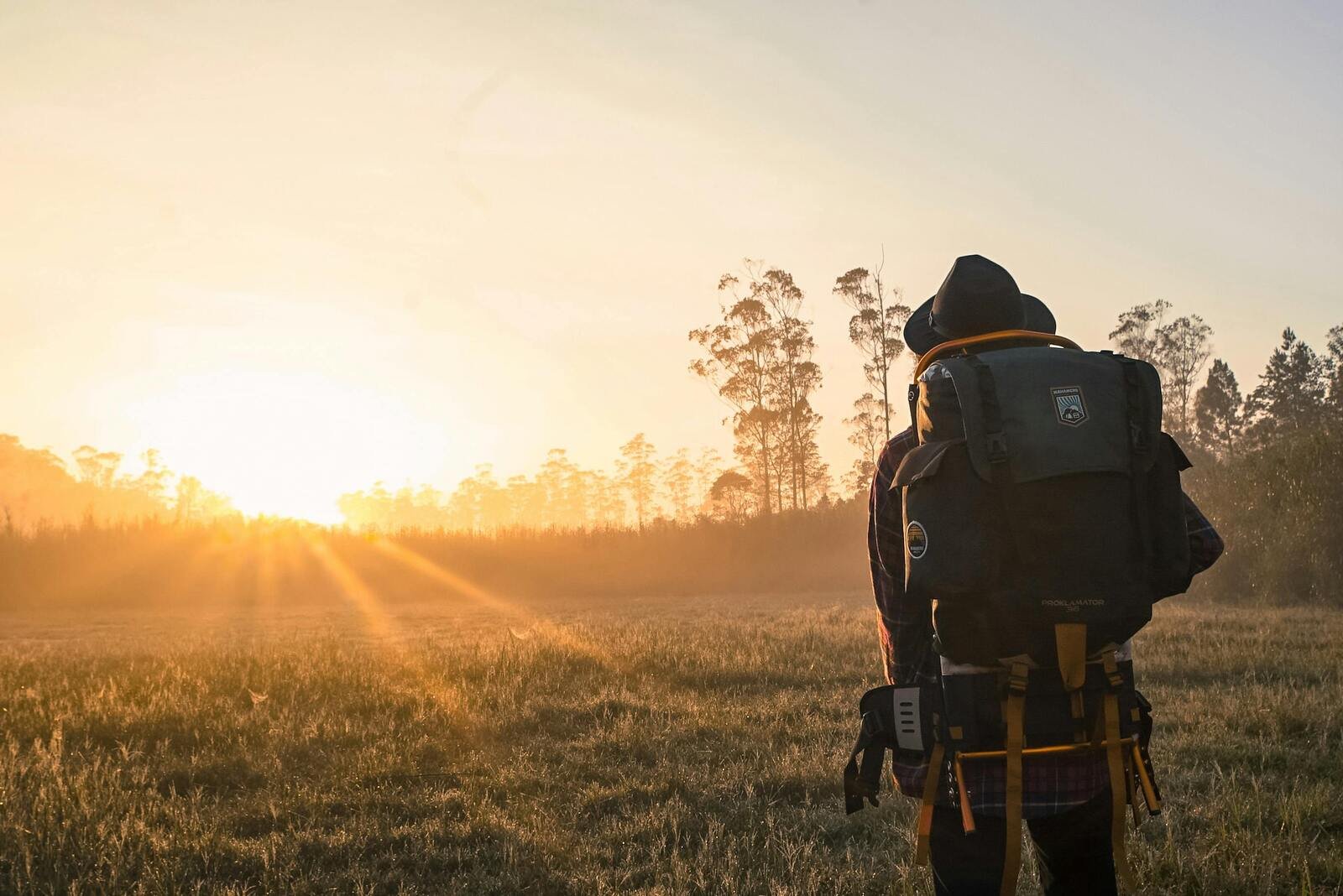
Walking Safaris in Tanzania: Everything You Need to Know Before You Go
Imagine exploring the African wilderness on foot—hearing every sound, noticing every track, and feeling completely connected to nature. A walking safari in Tanzania offers exactly that: a raw, immersive experience far beyond traditional game drives.
Instead of watching wildlife from a vehicle, you step into their world. It’s slower, more intimate, and deeply rewarding for travelers seeking authentic adventure. Every step reveals something new—from the imprint of a lion’s paw in the dust to the distant call of birds echoing across the plains.
On foot, the wilderness feels alive in a way that’s impossible to experience from behind a window. You begin to understand the rhythm of nature—the way animals move, how ecosystems function, and how even the smallest details play a role in the bigger picture.
Guided by experienced trackers and local experts, you’ll gain insights that go far beyond wildlife sightings. You’ll learn how to read tracks, identify plants, and interpret the subtle signs of the bush—skills that transform a simple walk into a meaningful journey of discovery.
For those who crave more than just ticking animals off a list, a walking safari offers something deeper: a genuine connection with the land, its wildlife, and its stories. It’s not just about seeing Africa—it’s about experiencing it, step by step.
What Is a Walking Safari?
A walking safari is a guided wildlife experience where you explore national parks or conservation areas on foot, led by highly trained guides and often accompanied by armed rangers for your safety. Unlike traditional safaris that rely on vehicles, this experience brings you closer to the ground—both literally and figuratively—allowing you to engage with the environment in a far more personal way.
Rather than focusing only on spotting large animals quickly, walking safaris emphasize understanding the entire ecosystem. You’ll learn to recognize animal tracks, identify plants and trees, observe insects, and interpret the subtle signs that reveal what’s happening in the bush. Even the smallest details—like broken branches, footprints in the sand, or distant alarm calls—become part of a larger story.
The pace is slower and more mindful, giving you time to absorb your surroundings and truly appreciate the complexity of nature. Guides often share fascinating insights about wildlife behavior, survival techniques, and the delicate balance that sustains the ecosystem.
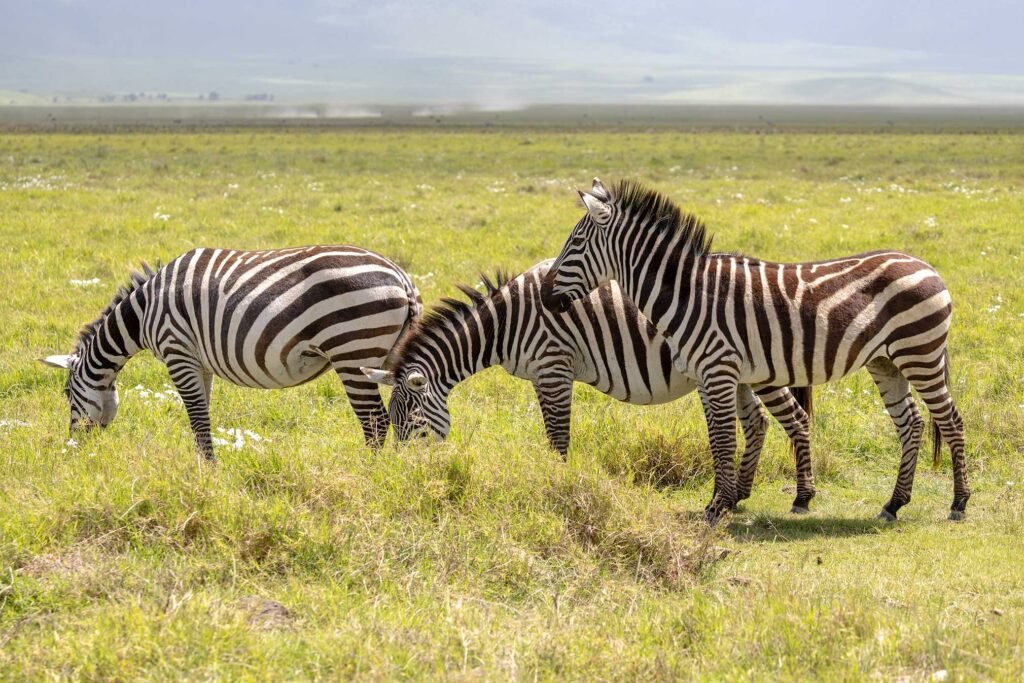
Why Choose a Walking Safari in Tanzania?
1. Immersive Wildlife Experience
Walking engages all your senses in a way no vehicle safari can. You hear the distant call of birds, the rustle of leaves underfoot, and even the subtle warning sounds animals make to each other. You begin to notice details often overlooked—fresh tracks in the soil, animal droppings, or the scent of wild herbs in the air. This sensory experience makes every moment feel real, immediate, and unforgettable.
2. Learn From Expert Guides
One of the biggest highlights of a walking safari is the knowledge shared by professional guides and local trackers. Many of them have grown up in these landscapes and possess an incredible understanding of wildlife behavior, tracking techniques, and survival skills. They’ll teach you how to read footprints, identify bird calls, and even explain the medicinal uses of certain plants—turning your walk into a fascinating learning experience.
3. Fewer Crowds
Unlike popular game drive routes that can get busy during peak seasons, walking safaris are conducted in quieter, less crowded areas. This allows for a more peaceful and exclusive experience, where you can truly connect with nature without distractions. It also increases your chances of enjoying uninterrupted wildlife moments.
4. Deeper Connection With Nature
Being on foot creates a stronger emotional and physical connection with the environment. You’re no longer just an observer—you become part of the landscape. This shift in perspective makes the experience more meaningful, helping you appreciate the delicate balance of ecosystems and the beauty of the natural world.
5. A Sense of Adventure and Discovery
Walking through the African wilderness brings a natural sense of excitement and curiosity. Every step feels like an exploration into the unknown, where even the smallest discoveries—like a hidden trail or a unique plant—add to the thrill. It’s an adventure that feels both
Best Places for Walking Safaris in Tanzania
Serengeti National Park
Known for its vast, open plains and world-famous wildlife, the Serengeti offers a unique walking safari experience in carefully designated areas. Walking here allows you to explore quieter corners of the ecosystem, away from the usual game drive routes. Instead of focusing only on big predators, you’ll discover the smaller details of the plains—tracks, grasses, and the intricate balance that supports the Great Migration.
Ngorongoro Conservation Area
This UNESCO-listed area is perfect for combining wildlife with cultural experiences. Walking safaris often take place in the highlands, forests, and around the crater rim, offering breathtaking views and diverse landscapes. You may also encounter Maasai communities, adding a cultural dimension that makes the experience even more enriching.
Tarangire National Park
Famous for its large elephant herds and iconic baobab trees, Tarangire is ideal for scenic walking safaris. The park’s varied terrain—rivers, woodlands, and open savannah—creates excellent opportunities to observe wildlife signs up close. Walking here feels peaceful yet exciting, with frequent encounters of smaller animals, birds, and unique plant life.
Nyerere National Park
One of Africa’s largest protected areas, Nyerere National Park is considered one of the best destinations for walking safaris. Its remote setting means fewer crowds and a more exclusive experience. The landscape includes rivers, wetlands, and open plains, offering diverse walking routes and a strong sense of untouched wilderness.
Ruaha National Park
Ruaha is wild, remote, and less visited, making it perfect for travelers seeking a truly authentic safari. Walking safaris here are often more adventurous, with opportunities to track animals and explore rugged terrain. It’s an excellent choice for experienced safari-goers who want to go beyond the typical tourist experience.
Lake Manyara National Park & Arusha National Park
These parks are ideal for beginners or those with limited time. Walking safaris here are shorter and more relaxed, yet still incredibly rewarding. Expect beautiful scenery, lush forests, and excellent birdwatching opportunities, along with the chance to see giraffes, zebras, and other wildlife at a comfortable pace.
What to Expect on a Walking Safari
A walking safari is all about slowing down and experiencing the wilderness in a more intimate and mindful way. Unlike fast-paced game drives, every moment here is about observation, awareness, and connection.
- Early morning walks when wildlife is most active
Most walking safaris begin at sunrise, when temperatures are cooler and animals are more active. This is also the most peaceful time of day, with golden light and fresh tracks that tell stories of the night before.
- Small group sizes (usually 4–6 people)Groups are intentionally kept small to ensure safety, personalized attention, and a quieter experience. This also allows guides to interact more closely with guests and tailor the walk to the group’s interests.
- Safety briefings before each walk
Before setting out, your guide will explain important safety rules—such as walking in a single file, maintaining silence when needed, and how to react if wildlife is nearby. These briefings are essential and help ensure a safe and enjoyable experience.
- Slow-paced exploration with frequent stops
Walking safaris are not about covering long distances. Instead, the pace is relaxed, with regular stops to observe tracks, plants, insects, and other details of the ecosystem. You’ll often spend time learning how to interpret signs of wildlife that most people would normally overlook.
- Close—but controlled—wildlife encounters
While you may come closer to animals than on a vehicle safari, encounters are always managed carefully by experienced guides. The focus is on observing wildlife safely and respectfully without disturbing their natural behavior. - Interactive learning experiences
Expect your guide to turn the walk into a storytelling journey—explaining animal behavior, pointing out hidden details, and answering questions along the way. It’s as much about learning as it is about exploring. - Moments of stillness and silence
One of the most unique aspects of a walking safari is the quiet. There are moments when you’ll simply stop, listen, and take in your surroundings—something that creates a deeper appreciation for the wilderness.
Best Time to Go
The timing of your walking safari can greatly influence your overall experience.
The dry season (June to October) is widely considered the best time for walking safaris in Tanzania:
- Easier wildlife spotting as vegetation is thinner
- Better walking conditions with dry, firm trails
- Cooler and more comfortable temperatures
This is also the peak safari season, meaning wildlife viewing is at its best across most parks.
The green season (November to March) offers a different kind of beauty:
- Lush, green landscapes and dramatic scenery
- Excellent birdwatching, including migratory species
- Fewer tourists, creating a quieter experience
While some areas may be more challenging to access due to rain, this season is perfect for travelers who appreciate nature at its most vibrant.
Who Should Try a Walking Safari?
Walking safaris are incredibly versatile and appeal to a wide range of travelers. They’re especially ideal for:
- Adventure seekers looking for something beyond traditional safaris
- Nature lovers who want to understand ecosystems in depth
- Photographers interested in unique angles, textures, and details
- Repeat safari travelers seeking a fresh and more immersive perspective
- Slow travel enthusiasts who prefer meaningful, unhurried experiences
You don’t need to be extremely fit, but a moderate level of fitness is helpful, as walks can last a few hours and involve uneven terrain. More importantly, a curious mindset and willingness to engage with nature will enhance your experience.
Final Thoughts
A walking safari in Tanzania is more than just a tour—it’s a transformative experience that changes how you see and feel nature.
It’s quieter, slower, and far more personal than a traditional safari. Without the barrier of a vehicle, every sound becomes sharper, every movement more noticeable, and every encounter more meaningful. You’re no longer just observing wildlife—you’re sharing the same space, understanding its rhythms, and becoming part of its story.
This kind of safari invites you to pause, to pay attention, and to truly appreciate the small details that make the African wilderness so extraordinary. From the crunch of leaves beneath your feet to the distant call of animals across the plains, every moment feels authentic and alive.
If you’re looking for a unique, enriching, and unforgettable safari experience, a walking safari in Tanzania is something you simply shouldn’t miss.
Creating lasting memories
At the heart of every safari is the creation of memories. The laughter during dune rides, the calm of camel walks, and the awe of desert landscapes stay with travelers. Shared meals and cultural moments strengthen bonds with fellow explorers. Many visitors return with not just photos but stories to tell. The desert safari becomes more than a trip; it becomes a personal journey. Every traveler leaves with a part of the desert in their heart. These lasting impressions make desert safaris truly unforgettable.